
How Many Moving Boxes Do You Need? Room-by-Room Guide
Wondering how many moving boxes you need for your next house move? The answer depends on the size of your home, the number of belongings you have and how much you plan to pack. This room-by-room guide can help you estimate the number of moving cartons you may need before packing day.
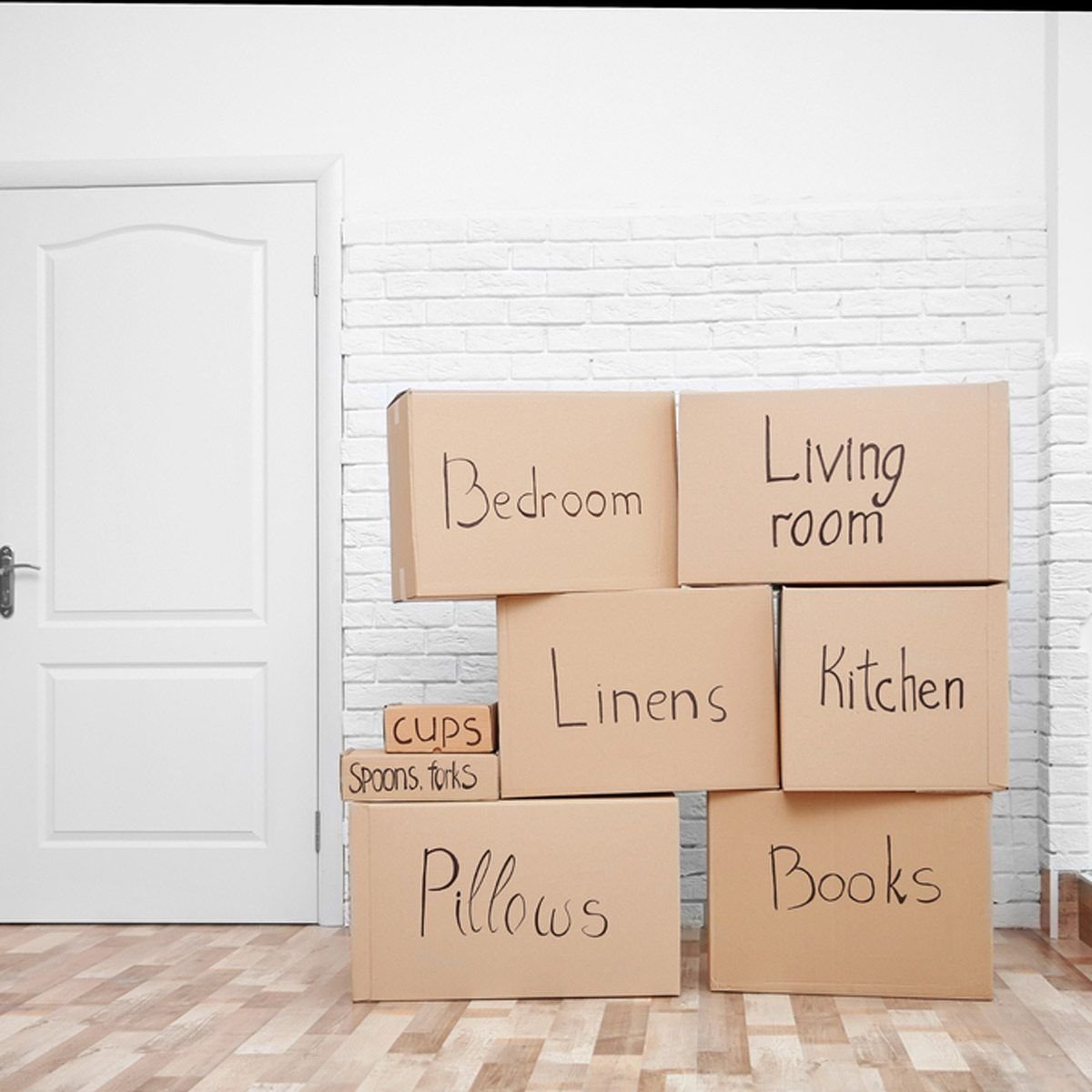
A small apartment may need around 20–40 boxes, while a larger home or villa can require 50–100 or more. The exact number depends on the room sizes, storage, kitchen items, books, clothing and other belongings.
How Many Moving Boxes Do You Need?
There is no single number of boxes that works for every move. A person moving from a furnished studio will need far fewer cartons than a family moving from a four-bedroom villa.
Your packing requirements also depend on how much you own. Kitchens, bookshelves, wardrobes, storage rooms and children's rooms can require more cartons than their size might suggest.
The easiest way to plan is to estimate your boxes room by room. This gives you a practical starting point and makes it easier to order the right amount of packing material before you begin.
Moving Box Estimate by Home Size
The following figures are useful planning estimates rather than fixed requirements. Your actual number may be higher or lower depending on furniture, storage and the amount of personal belongings in your home.
| Home Type | Estimated Boxes | Typical Packing Requirement |
|---|---|---|
| Studio | 20–30 | Clothing, kitchen items, personal belongings |
| 1 Bedroom | 25–40 | Bedroom, kitchen, living area and storage |
| 2 Bedroom | 40–60 | Two bedrooms, kitchen, living area and storage |
| 3 Bedroom | 50–80 | Multiple bedrooms, kitchen, living area and storage |
| 4 Bedroom Villa | 70–100+ | Bedrooms, kitchen, living areas, storage and larger household contents |
These are general planning ranges. A home with extensive storage, books, kitchenware or children's belongings may require additional cartons.
Moving Boxes Needed: Room-by-Room Guide
Estimating your boxes by room is one of the simplest ways to organise your packing. Start with the rooms that contain the most loose items and then add a small allowance for unexpected packing needs.
Bedroom
Bedrooms usually need cartons for folded clothing, shoes, accessories, books, personal items and small belongings. Larger wardrobes may require additional boxes.
- Clothing and shoes
- Books and personal items
- Accessories
- Small bedroom storage
Kitchen
Kitchens can require more packing material than expected because plates, glasses, cookware, appliances and pantry items need careful organisation and protection.
- Plates and dishes
- Glasses and cups
- Cookware
- Small appliances and pantry items
Living Room
Living rooms often contain fewer cartons because large furniture is moved separately. Boxes are mainly useful for books, ornaments, electronics, small accessories and decorative items.
- Books
- Decorations
- Electronics and accessories
- Small household items
Dining Area
Dining areas normally need cartons for tableware, serving items, decorative pieces and other smaller belongings. Fragile items should be protected with suitable packing material.
- Tableware
- Serving dishes
- Decorative items
- Fragile belongings
Bathroom
Bathrooms usually require fewer cartons, but toiletries, towels, cleaning products and personal care items still need to be sorted and packed securely.
- Towels
- Toiletries
- Personal care items
- Suitable household products
Storage Room
Storage areas are difficult to estimate because they often contain items that have accumulated over time. Check cupboards, shelves and stored belongings before deciding how many cartons you need.
- Stored household items
- Seasonal belongings
- Tools and accessories
- Miscellaneous items
What Types of Moving Boxes Do You Need?
Not every item should go into the same type of carton. Choosing suitable box sizes can make packing safer and can also make loading the moving vehicle more organised.
Small Boxes
Useful for heavier items such as books, canned goods and smaller household belongings. Smaller cartons are easier to carry when filled with dense items.
Medium Boxes
A practical general-purpose option for clothing, toys, kitchen items, accessories and many everyday belongings.
Large Boxes
Suitable for lighter bulky items such as bedding, cushions, towels and larger soft household belongings. Avoid making large boxes too heavy.
Protective Packing Materials
Bubble wrap, stretch film, packing tape and protective sheets can help protect fragile or vulnerable items during handling and transport.
Get Moving Boxes and Packing Materials in Muscat
Once you estimate how many boxes you need, the next step is getting the right cartons and packing supplies. Muscat Sourcing supplies moving cartons and other packing materials separately, so you can choose the quantities and materials required for your move.
You can explore our packing material supply service in Muscat to find the materials you need for your house shifting project.
Should You Buy Extra Moving Boxes?
It is usually better to have a few spare cartons than to discover that you have run out halfway through packing. Your final packing list can change once you start opening cupboards, drawers and storage areas.
As a practical planning approach, consider keeping a small number of extra boxes available for last-minute belongings. You can also use spare cartons for items that are packed later, such as cleaning supplies, bedding and everyday essentials.
Tips for Packing Your Moving Boxes
Do Not Overfill Heavy Boxes
Keep books and other heavy items in manageable cartons. A box that is too heavy can be difficult and unsafe to carry.
Protect Fragile Items
Use suitable protective material around glassware, dishes, ornaments and other fragile belongings.
Label Every Carton
Write the room and general contents on each box. Clear labels make unloading and unpacking much easier at the new property.
Keep Essentials Separate
Prepare one easily accessible box or bag for important everyday items that you may need immediately after moving.
Packing for a House Move in Muscat
Moving in Muscat can involve apartments, villas and different building layouts, so the amount of packing material needed can vary considerably from one property to another.
Before ordering cartons, consider the number of rooms, storage spaces and belongings you have. Also think about fragile items that may require bubble wrap, protective sheets or additional packing tape.
A simple room-by-room inventory can give you a much better estimate than choosing a box quantity based only on the number of bedrooms.
Get the Packing Materials You Need for Your Move
Estimate your boxes room by room, then choose the cartons and packing materials required for your house shifting project in Muscat.
Frequently Asked Questions About Moving Boxes
How many moving boxes do I need for a 1-bedroom apartment?
A 1-bedroom apartment may need around 25–40 boxes as a general planning estimate. The actual number depends on your furniture, clothing, kitchen items, storage and personal belongings.
How many boxes do I need for a 2-bedroom house?
A 2-bedroom home may require around 40–60 boxes. Homes with extensive storage, books, kitchenware or larger quantities of belongings may require more.
How many boxes do I need for a 3-bedroom house?
A 3-bedroom home may need approximately 50–80 boxes as a starting estimate. The final quantity depends on the amount of furniture, storage and household belongings.
What size moving boxes should I use?
Use smaller cartons for heavy items such as books, medium cartons for general household belongings and larger cartons for lighter bulky items such as bedding and towels. Avoid making large boxes excessively heavy.
Where can I buy moving boxes and packing materials in Muscat?
Muscat Sourcing supplies moving cartons and packing materials separately in Muscat. You can review the packing material supply page to see the available packing options and request the materials required for your move.
Should I buy extra moving boxes?
Keeping a few spare cartons can be useful because the final packing quantity may change after you organise cupboards, drawers and storage areas. Extra boxes can also be useful for last-minute belongings.