
Best Soil & Fertiliser Types for Gardens in Muscat
Choosing the best soil and fertiliser for gardens in Muscat can make a major difference to plant health. Oman's hot climate, strong sunlight and generally dry conditions mean that garden soil needs to provide suitable drainage, moisture retention and nutrients. This guide explains the main soil and fertiliser options and how to choose the right combination for your garden.
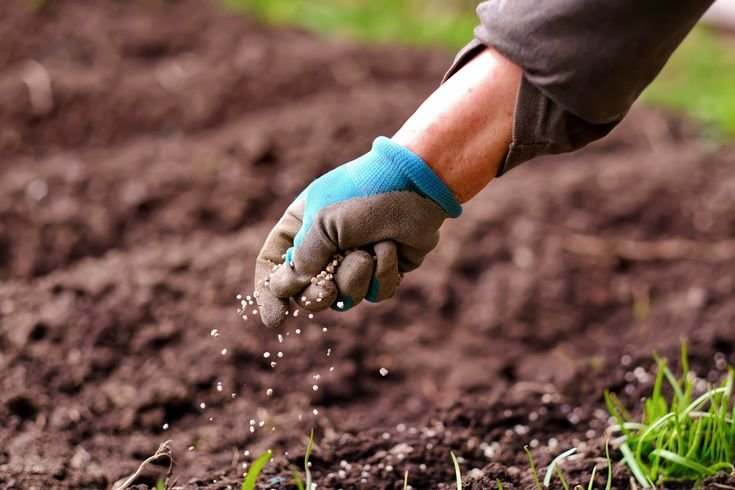
For many home gardens in Muscat, a good-quality soil mix with suitable drainage and organic matter can provide a useful base for healthy plants. Fertiliser should then be selected according to the type of plants, their growth stage and the condition of the soil. There is no single soil or fertiliser that is ideal for every garden.
Why Soil Quality Matters in Muscat
Garden soil does more than simply hold plants in place. It provides roots with access to water, air and nutrients, which are all important for healthy plant growth.
In Muscat, garden conditions can be challenging because of high temperatures, strong sunlight and periods of limited rainfall. Poor-quality or compacted soil may drain too quickly, hold too much water or provide insufficient nutrients for plants.
This is why choosing the right garden soil in Muscat should be considered before adding fertiliser. A suitable soil structure gives plant roots a better environment and allows nutrients and water to be managed more effectively.
What Type of Soil Is Best for Gardens in Muscat?
Different plants have different soil requirements, but a productive garden generally benefits from soil that has a good balance between drainage, moisture retention and organic matter.
Garden Soil
General-purpose garden soil can be used as a foundation for many outdoor planting areas. It should have a suitable structure that allows roots to develop while avoiding excessive compaction.
Compost-Enriched Soil
Soil mixed with mature organic matter can help improve soil structure and add organic material. Compost can also support the biological activity of the soil when used appropriately.
Sandy or Well-Draining Mix
Well-draining mixes can be useful for plants that are sensitive to excess moisture. The exact mix should depend on the plant species and the existing soil conditions.
Organic Soil Mix
Organic-rich soil mixes can provide additional organic material for garden beds and planting areas. They can be particularly useful when the existing soil is poor or lacks organic matter.
What Should Good Garden Soil Contain?
Instead of choosing soil based only on its name, look at its physical condition and intended use. Good garden soil should provide an environment where plant roots can access moisture, oxygen and nutrients.
Good Drainage
Soil should allow excess water to move away from the root zone rather than remaining permanently saturated.
Moisture Retention
While drainage is important, soil should also retain enough moisture to support plants between watering sessions.
Organic Matter
Organic material can improve soil structure and contribute useful nutrients as it breaks down.
Suitable Soil Structure
Soil that is excessively compacted can restrict root growth and make water movement more difficult.
What Type of Fertiliser Is Best for Garden Plants?
Fertiliser supplies nutrients that plants need for growth. However, more fertiliser is not necessarily better. The appropriate product and application rate depend on the plant, soil condition and nutrient requirements.
Garden fertilisers are commonly available in different formulations, including organic fertilisers, slow-release products and balanced fertiliser blends.
Organic Fertiliser
Organic fertilisers are derived from natural or organic materials and can contribute nutrients and organic matter to the soil. They are often used as part of a broader soil improvement plan.
Slow-Release Fertiliser
Slow-release products are designed to release nutrients gradually. They can be useful when you want a longer-lasting nutrient supply rather than frequent applications.
Balanced Fertiliser
Balanced formulations contain multiple plant nutrients and may be suitable for general garden use when the plants require a broader nutrient supply.
Plant-Specific Fertiliser
Some plants have particular nutritional requirements. A specialised fertiliser can be considered when the needs of the plant are different from general garden plants.
Understanding NPK Fertiliser for Your Garden
You may see three numbers on a fertiliser package, such as an NPK ratio. These numbers represent the relative amounts of nitrogen, phosphorus and potassium in the fertiliser.
Nitrogen
Nitrogen is associated with healthy leaf and vegetative growth.
Phosphorus
Phosphorus plays an important role in root development and plant reproduction.
Potassium
Potassium supports several important plant processes and contributes to overall plant strength.
The best NPK ratio depends on the plant and soil conditions. Avoid choosing fertiliser only because it has a higher nutrient number.
Choosing Soil and Fertiliser for Muscat's Climate
When gardening in Muscat, it is useful to consider how heat, sunlight and irrigation affect your soil and plants. The same soil mix that works well in another climate may not produce identical results in an outdoor garden in Oman.
Gardeners should pay particular attention to watering, drainage and soil moisture. Plants exposed to strong heat may require careful irrigation management, while poorly draining soil can create different problems.
Improving the soil gradually with suitable organic matter and selecting plants that are appropriate for the local conditions can make garden maintenance easier.
Soil or Fertiliser: Which Should You Fix First?
If plants are struggling, adding fertiliser immediately is not always the best first step. Poor drainage, compacted soil, insufficient irrigation or unsuitable planting conditions can also affect plant health.
Start by checking the condition of the existing soil. If the soil structure is poor, improving the growing medium may be more useful than simply adding more nutrients.
Once the soil provides a suitable environment for roots, fertiliser can be used according to the requirements of the plants and the recommendations for the chosen product.
How to Choose Soil and Fertiliser for Your Garden
Identify Your Plants
Different plants can have different soil, moisture and nutrient requirements. Identify what you are growing before selecting a product.
Check Existing Soil
Look at whether the soil is compacted, sandy, heavy, poorly draining or lacking organic material.
Consider Drainage
Make sure the planting area can manage irrigation water without creating prolonged waterlogging around roots.
Choose Fertiliser Carefully
Select a fertiliser based on the plants and their nutritional requirements rather than applying a product simply because it is marketed as a general-purpose solution.
Get Natural Soil & Fertiliser for Your Garden
Once you understand the needs of your garden, the next step is choosing suitable soil and fertiliser. Muscat Sourcing provides garden and outdoor supplies to help homeowners prepare and maintain their outdoor spaces.
Explore our Natural Soil & Fertiliser options for your garden in Muscat.
Common Soil and Fertiliser Mistakes to Avoid
Using One Soil for Every Plant
Different plants can have very different growing requirements. Consider the plant type before selecting a soil mix.
Over-Fertilising
Applying more fertiliser than recommended can create problems for plants and soil. Follow the product instructions carefully.
Ignoring Drainage
Adding nutrients will not solve a persistent drainage problem. Check the growing environment as a whole.
Choosing Fertiliser Without Checking the Plant
Always consider the plant's nutritional needs and the recommended application rate before using fertiliser.
Simple Garden Soil Maintenance Tips
Good soil management is an ongoing process rather than a one-time task. A few simple habits can help maintain healthier planting areas.
- Monitor soil moisture: Check the soil before watering instead of relying only on a fixed watering schedule.
- Add organic matter when appropriate: Compost and other suitable organic materials can help improve soil structure over time.
- Watch plant growth: Changes in leaf colour, growth or overall plant condition can indicate that the growing conditions need attention.
- Avoid excessive fertiliser: Use the recommended quantity and application method for the selected product.
- Keep planting areas clean: Remove weeds, dead plant material and unwanted debris from garden beds regularly.
Choose the Right Soil & Fertiliser for Your Garden
Prepare your garden with suitable soil and fertiliser for your planting requirements. Explore natural soil and fertiliser options available through Muscat Sourcing.
Frequently Asked Questions About Garden Soil & Fertiliser
What is the best soil for gardens in Muscat?
A suitable garden soil for Muscat should provide a good balance of drainage, moisture retention and organic matter. The ideal soil depends on the plants being grown and the condition of the existing garden soil.
What type of fertiliser is best for garden plants?
The best fertiliser depends on the plant and its nutritional requirements. Organic, slow-release, balanced and specialised fertilisers can all be useful depending on the situation.
Is organic fertiliser good for gardens in Oman?
Organic fertiliser can be useful as part of a garden soil management plan because organic materials can contribute nutrients and improve soil conditions. The appropriate product and quantity depend on the garden and plants.
How often should I fertilise my garden?
Fertiliser frequency depends on the product, plant type, growing conditions and recommended application rate. Always follow the instructions provided with the fertiliser rather than applying it on an arbitrary schedule.
Can I use the same soil for all plants?
Not necessarily. Different plants can have different requirements for drainage, moisture and nutrients. Choose soil according to the plants and the conditions of the planting area.
Where can I get natural soil and fertiliser in Muscat?
Muscat Sourcing provides natural soil and fertiliser options for garden and outdoor projects in Muscat. You can visit the Natural Soil & Fertiliser page to explore the available options.